
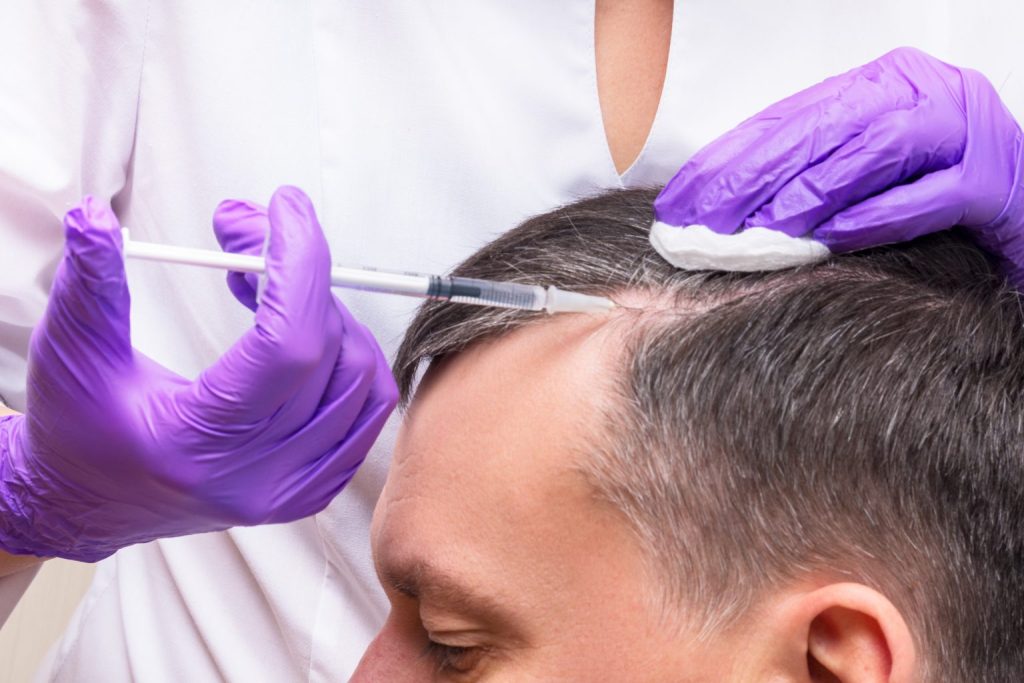
Choosing the right hair restoration method can be confusing, especially when comparing non-surgical treatments to permanent surgery. Platelet-Rich Plasma (PRP) therapy and Follicular Unit Extraction (FUE) transplants represent the two leading approaches available today. While one stimulates existing follicles, the other relocates healthy, permanent hair to balding areas. This guide provides a direct, expert comparison of PRP vs. hair transplant procedures to help you determine the optimal solution for your specific hair loss stage.
Understanding Platelet-Rich Plasma (PRP) Therapy
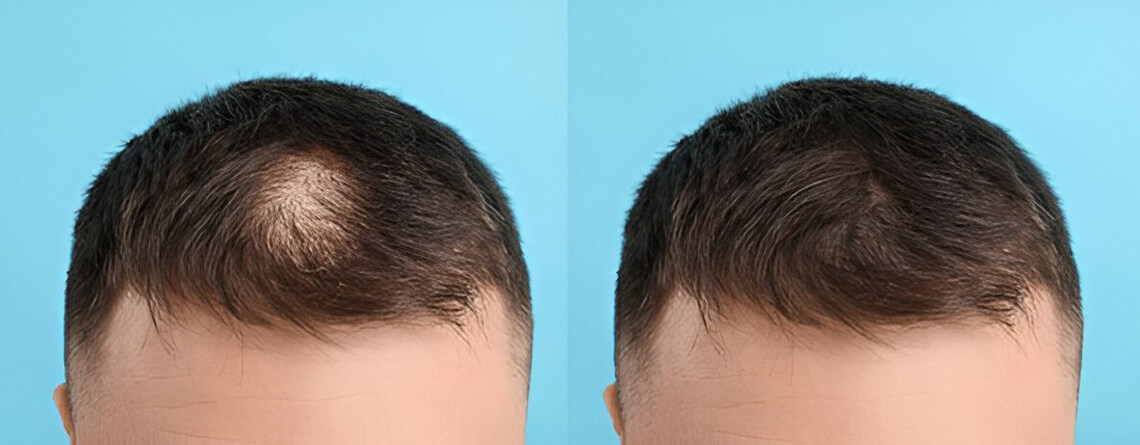
PRP therapy is a minimally invasive treatment that uses the patient’s own blood to stimulate hair growth. This approach harnesses growth factors to boost existing follicles and promote natural hair thickening. It is often recommended for those experiencing early-stage thinning or diffuse hair loss, not complete baldness. The treatment is quick, involves almost zero downtime, and acts as a powerful scalp rejuvenator.
How PRP Works: The Science of Growth Factors
A small sample of blood is drawn from the patient, similar to a standard blood test. This blood is processed in a centrifuge to isolate the plasma, which is highly concentrated with growth factors and platelets. This potent Platelet-Rich Plasma is then strategically injected into the scalp’s thinning areas. These injections stimulate dormant follicles, extend the hair growth phase, and enhance blood circulation in the scalp.
PRP: The Ideal Candidate and Typical Results
PRP is best suited for individuals with mild to moderate thinning or those looking to improve the quality of their current hair. Clinical studies indicate that 64% of patients report improved hair density after PRP treatment. However, PRP is not a permanent, one-time solution and typically requires an initial series of 3-4 sessions followed by maintenance treatments every 6-12 months. Results are generally subtle and focused on thickening existing hair, not filling completely bald patches. (Source link for 64% statistic here)
Understanding FUE/DHI Hair Transplant Procedures
The hair transplant procedure is a surgical solution designed for permanent hair restoration in areas of baldness or severe recession. It involves redistributing healthy, genetically resilient hair follicles from a donor area to the recipient area. The FUE and DHI methods are the most popular techniques, ensuring natural, undetectable results. This procedure is recognized as the most effective long-term solution for advanced pattern baldness.
How FUE/DHI Transplants Work: The Principle of Permanence
During an FUE procedure, individual follicular units are meticulously extracted one by one from the back of the scalp. These grafts are preserved and then implanted into the recipient areas according to a carefully designed hairline. The key principle is that the transplanted follicles are genetically resistant to hair loss and will continue to grow for a lifetime. This one-time surgical solution provides dramatic, lasting, and natural-looking density where it is needed most.
Transplant Success Rates and Recovery
Hair transplants boast an impressive success rate, with graft uptake often exceeding 80% in qualified candidates. Initial healing takes about 5-7 days, involving minimal scabbing in the transplanted area. Research confirms that 100% of PRP-treated grafts show over 75% hair regrowth after six months, making the combination powerful. Full and final results typically become visible 12 to 18 months after the single procedure. (Source link for 100% statistic here)
PRP vs. Hair Transplant: A Side-by-Side Comparison
| Feature | PRP Therapy | FUE/DHI Hair Transplant |
| Goal | Stimulate existing hair, thicken strands, slow loss. | Restore lost hair, create new density and hairlines. |
| Invasiveness | Non-surgical (injections). | Minimally invasive surgery (follicle extraction/implantation). |
| Permanence | Temporary; requires long-term maintenance sessions. | Permanent solution; transplanted hair grows for life. |
| Downtime | Virtually none (1-2 days mild soreness). | 5–7 days for initial healing and scabbing to clear. |
| Cost | Lower initial cost, but high long-term maintenance fees. | Higher upfront investment, but a one-time permanent solution. |
| Suitability | Early-stage thinning, diffuse loss, women with pattern baldness. | Advanced hair loss, defined bald patches, receding hairlines. |
Can You Combine PRP and a Hair Transplant?
Yes, combining these two treatments is often the optimal strategy for maximum results. Many leading Turkish clinics, like those aestheticairways partners with, integrate PRP during the transplant process. The PRP is sometimes used as a graft-preservation solution or injected immediately after implantation to accelerate healing and boost graft survival. This combined approach ensures not only density restoration but also the strengthening of surrounding native hair.
The Cost Factor: Long-Term Value in Turkey
While a single PRP session is cheaper than a hair transplant, the cumulative cost of lifetime maintenance sessions can quickly add up. A hair transplant, especially in affordable medical tourism destinations like Turkey, is a single, permanent investment. The lifetime cost of ongoing PRP therapy often surpasses the one-time, all-inclusive price of an FUE transplant in Istanbul. For those with advanced loss, the permanent solution offers superior long-term financial value. (Source link for cost analysis here)
Frequently Asked Questions (FAQs)
Can PRP Reverse Baldness?
No. PRP cannot reverse complete baldness or create new hair follicles in an area where they no longer exist. It works by thickening and stimulating existing, miniaturized follicles. For established bald patches, a hair transplant is the only effective solution.
How painful is the PRP procedure?
PRP injections are generally well-tolerated. The procedure involves minimal discomfort, usually described as a slight pressure or stinging sensation. Clinics typically use a topical numbing agent (anesthetic cream) to ensure the experience is as comfortable as possible.
Who is NOT a good candidate for a hair transplant?
Individuals with unstable, ongoing hair loss (not stabilized), insufficient hair density in the donor area, or certain medical conditions (like unmanaged diabetes, blood clotting issues, or scarring alopecia) may not be suitable candidates for a hair transplant. A specialist consultation is essential to determine eligibility.
Conclusion: The Right Choice is Personalized
The choice between PRP and a hair transplant is not about which is universally “better,” but which is right for your unique hair loss profile. PRP offers a non-surgical path for early thinning, while the FUE hair transplant provides the definitive, permanent solution for established baldness. For many patients, the combination of both procedures offers the best of both worlds—permanent density supported by ongoing follicle health.
Ready to map out your personalized hair restoration journey in Turkey? Contact the experts at aestheticairways today for a complimentary consultation.